
The Hidden Revenue Risk in Dental Practices
Many dental practices unknowingly operate with a structural problem.
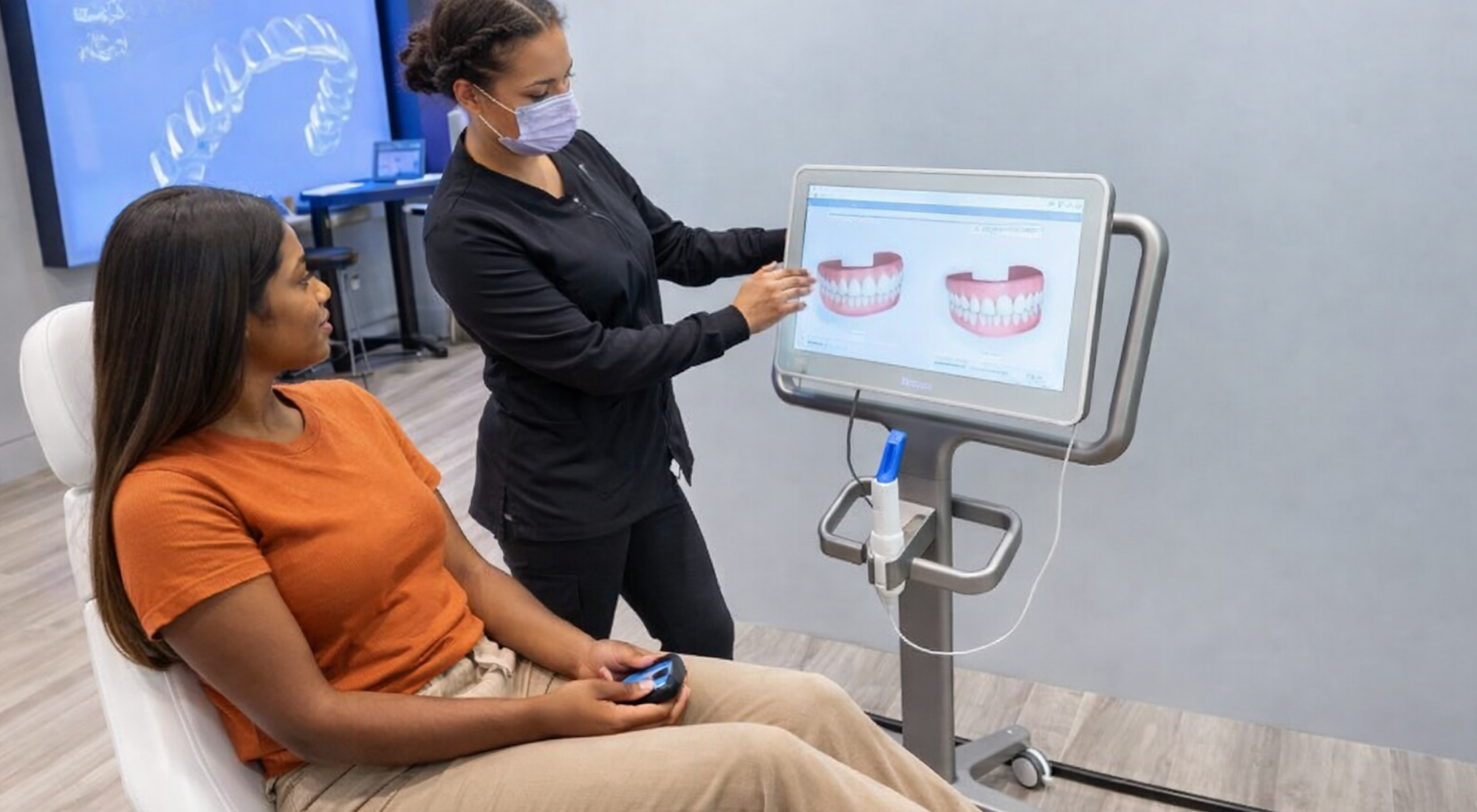
In many offices, treatment acceptance depends on one person. This is often the treatment coordinator who presents treatment plans and helps patients schedule care.
When this role is done well, cases move forward smoothly.
When communication is unclear or inconsistent, patients delay treatment or leave without scheduling.
This means the stability of the practice can depend on how clearly one person explains treatment.
The challenge becomes even more complex when patients leave the office without making a decision.
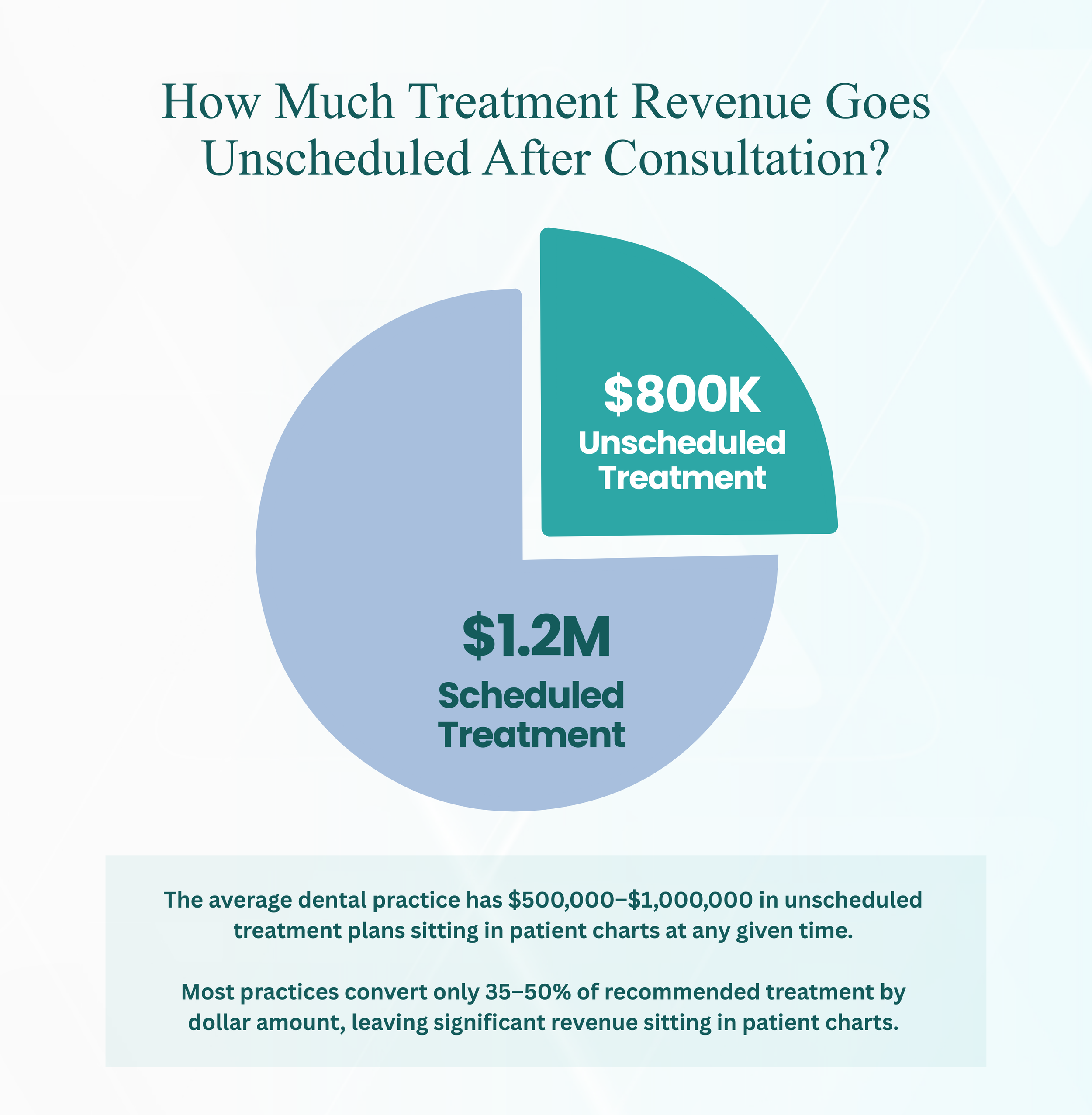
Most treatment decisions do not happen during the consultation itself. They occur later when patients review information, talk with family, or think about financial timing.
As a result, practices experience a gap between the consultation and the treatment start.
Because of this, many dental organizations are trying to reduce how much revenue depends on one person explaining treatment.
New technologies, including AI tools that analyze treatment conversations, are helping practices improve how consultations are explained. These systems can review whether treatment value was explained clearly, whether concerns were addressed, and whether financing was discussed.
However, these tools focus only on the conversation that happens during the appointment.
They do not support what happens after the patient leaves the office. Because many treatment decisions happen later, the problem still exists even when the consultation itself is analyzed or improved.